Endometriosis, Adenomyosis & Acupuncture

What Traditional Chinese Medicine Says About Period Pain
March is Endometriosis Awareness Month, a time to shine a light on conditions that are often misunderstood, misdiagnosed, or dismissed as “just bad periods.”
Two of the most common — and commonly confused — conditions are endometriosis and adenomyosis.
Both can cause:
• severe period pain
• pelvic pain between cycles
• heavy bleeding
• painful digestion or bloating
• fatigue
• fertility challenges
And while conventional medicine often focuses on hormonal suppression or surgery, many people turn to acupuncture and Traditional Chinese Medicine (TCM) to help manage symptoms and reduce flare-ups.
Let’s break down how TCM views these conditions — and why acupuncture may help.

First, What’s the Difference?
Endometriosis
Endometriosis occurs when tissue similar to the uterine lining grows outside the uterus — on the ovaries, fallopian tubes, pelvic wall, or even the digestive organs.
This tissue responds to hormonal changes each cycle, creating inflammation and pain.
Adenomyosis
Adenomyosis happens when the uterine lining grows into the muscle wall of the uterus.
This can lead to:
• heavy bleeding
• intense cramping
• pelvic pressure
• a swollen or tender uterus
Many people have both conditions at the same time, and symptoms can overlap.
How Traditional Chinese Medicine Sees It
Traditional Chinese Medicine looks at the body through a slightly different lens.
Instead of focusing only on where the tissue is growing, TCM asks:
Why is the body creating pain and inflammation in the first place?
Most often, these conditions fall under a pattern called:
Blood Stagnation

In TCM, pain usually means something isn’t flowing well.
When Qi (energy) and Blood get stuck in the pelvis, circulation slows and inflammation builds. Over time this can lead to symptoms like:
• stabbing menstrual pain
• dark menstrual clots
• pelvic heaviness
• pain before or during the period
Think of it like a traffic jam in the pelvis — when circulation is blocked, pressure and pain increase.
Several underlying patterns can contribute to this stagnation.
Liver Qi Stagnation
Stress, emotional tension, and hormonal fluctuations can cause the Liver system (which regulates the smooth flow of Qi) to become constrained.
When Qi gets stuck, blood flow slows down too, worsening menstrual pain and pelvic tension. Pain is worse before and during the period, dark menstrual clots with dark blood, ovaries may be palpable if there are endometrial cysts, irritability, and mental restlessness are also signs of stagnant Liver Qi.
Cold in the Uterus
Cold slows circulation.
In TCM, cold in the uterus may lead to intense, sharp, cramping pain that improves with heat, dark clots, feeling colder during the period, sore back, and slower blood flow during menstruation.
Damp-Heat and Inflammation
For some people, systemic inflammation plays a larger role.
In TCM this can show up as Damp-Heat, contributing to swelling, heaviness, pelvic discomfort, burning sensation extending to the rectum, thirst, mental restlessness, and digestive symptoms that often accompany endometriosis.
Why Does Endometriosis Develop? A TCM Perspective
In Traditional Chinese Medicine, conditions like endometriosis and adenomyosis are often rooted in stagnation of Qi and Blood in the pelvis. Over time, when circulation becomes impaired, inflammation and pain can develop.
Rather than viewing endometriosis as a single cause-and-effect condition, TCM looks at the lifestyle and environmental factors that disrupt healthy circulation in the uterus.
Several patterns may contribute to the development of pelvic stagnation.
Excessive Work or Exercise
In Chinese medicine, the uterus relies on the Kidney and Spleen systems to nourish and move Blood properly. Chronic overwork, lack of rest, or very intense exercise can deplete the body’s resources over time.
When the body becomes exhausted, circulation may weaken and menstrual blood may not move smoothly, increasing the risk of stagnation.
External Cold Invasion
Cold is one of the most important factors in gynecological conditions in TCM.
Exposure to cold — such as sitting on cold surfaces, wearing minimal clothing in cold weather, or consuming large amounts of cold foods and drinks — can slow circulation in the pelvis.
When Cold enters the uterus, it can constrict blood vessels and obstruct the movement of Blood, contributing to painful cramps and stagnation.
Emotional Stress
Emotional stress strongly affects the Liver system in Chinese medicine, which governs the smooth flow of Qi throughout the body.
When stress, frustration, or emotional tension builds over time, Liver Qi can become constrained. This can lead to Qi stagnation, which eventually slows the movement of Blood in the pelvis and contributes to menstrual pain.
Irregular Diet
The Spleen system in TCM is responsible for transforming food into the energy and Blood that nourish the body.
Diets high in processed foods, sugar, greasy foods, or irregular eating habits can weaken the Spleen, leading to the formation of Dampness and poor circulation. Over time this may contribute to inflammation and stagnation in the uterus.
Retention of Menstrual Blood
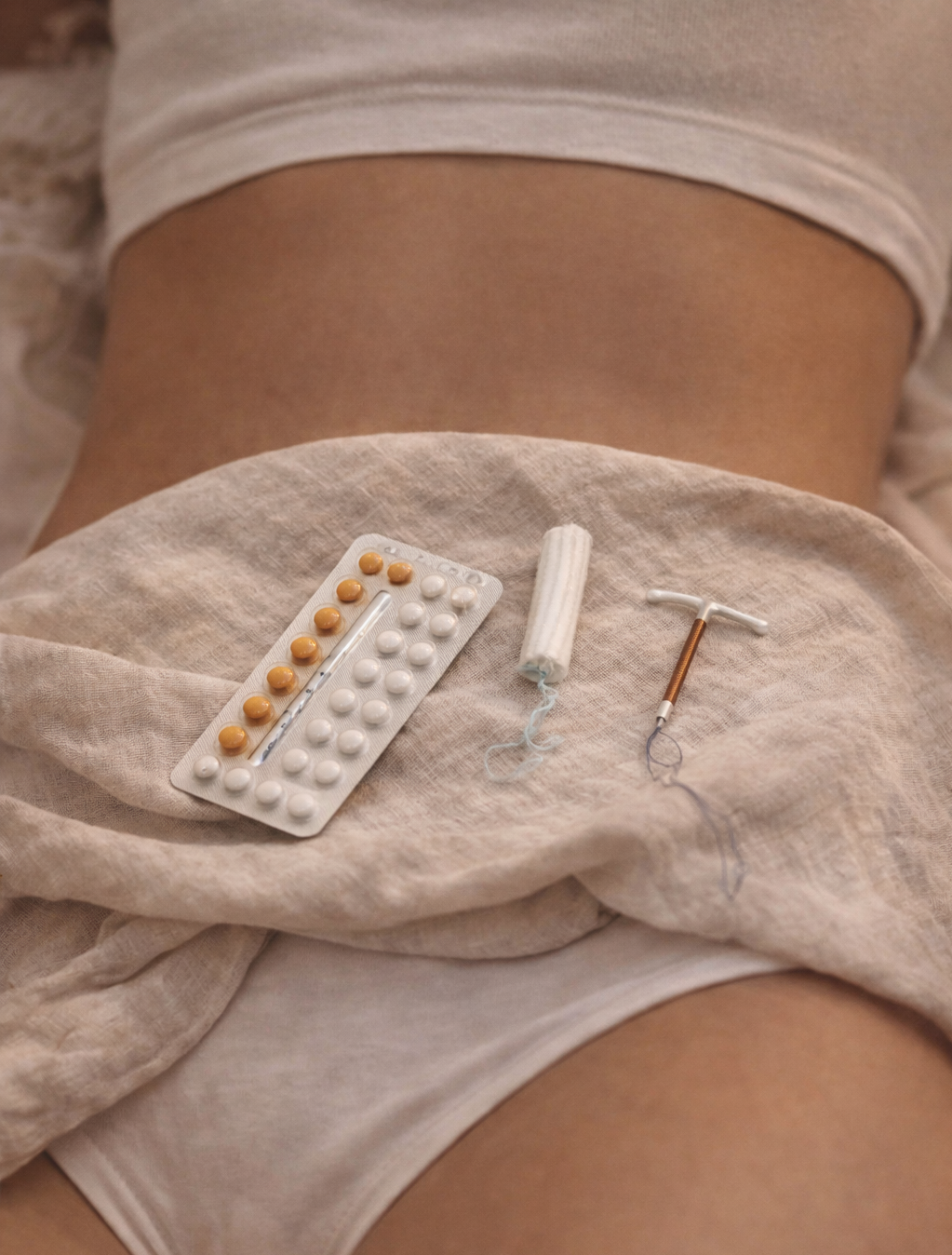
Traditional texts also describe situations where menstrual blood does not flow freely. This can occur when circulation is restricted or when the uterus is exposed to Cold.
Hormonal birth control and intrauterine devices are commonly used to manage menstrual symptoms, including endometriosis-related pain. While these treatments can be helpful for many people, Traditional Chinese Medicine considers how suppressing or altering the menstrual cycle may affect the body’s natural circulation over time.
In TCM, menstruation is viewed as an important process that allows Qi and Blood to move and renew each month. When hormonal medications suppress ovulation or significantly reduce menstrual flow, the body’s natural rhythm of movement and release may be altered. Similarly, some TCM practitioners note that the use of internal menstrual products such as tampons may partially obstruct the downward flow of menstrual blood during the cycle.
From this perspective, anything that restricts or alters the natural movement of menstrual blood may contribute to Qi and Blood stagnation in the pelvis, particularly if other factors such as stress, cold exposure, or overwork are also present. This does not mean birth control or tampon use is inherently harmful—many people rely on them for comfort and symptom management. Rather, TCM practitioners look for ways to support healthy circulation, hormonal balance, and pelvic blood flow alongside modern approaches to care.
When menstrual blood does not fully discharge or circulation becomes impaired, Blood stasis may accumulate in the pelvis, which in modern terms may resemble conditions like endometriosis.
In classical Chinese medicine, it is often said that “when there is free flow, there is no pain.”
The key theme across all of these factors is circulation. When Qi and Blood move freely, the uterus remains nourished and balanced. When circulation becomes obstructed, pain and inflammation can develop.
Where Acupuncture Comes In…

Acupuncture works by stimulating specific points in the body to help restore circulation and calm the nervous system.
For people with endometriosis or adenomyosis, acupuncture treatments often focus on:
• improving blood flow in the pelvis
• reducing inflammation
• relaxing pelvic tension
• regulating hormonal signaling
• calming the stress response
Many patients also report that acupuncture helps shorten the duration of pain flares and improves overall cycle regularity.
What the Research Says
Research into acupuncture for endometriosis has grown significantly over the past decade.
A 2023 systematic review and meta-analysis found acupuncture significantly improved pelvic pain and menstrual pain in patients with endometriosis, while also improving overall quality of life. More recent analyses of randomized controlled trials involving thousands of participants have also shown acupuncture therapies can reduce pain severity and improve quality of life in women living with endometriosis.
Other randomized trials show acupuncture may help:
• reduce dysmenorrhea (painful periods)
• decrease pelvic inflammation
• lower pain intensity
• improve wellbeing in patients with chronic pelvic pain
Researchers believe acupuncture may influence several biological pathways involved in endometriosis pain and inflammation. Studies suggest acupuncture can help regulate inflammatory chemicals and pain-signaling molecules such as prostaglandins, β-endorphins, dynorphins, and substance P, which are known to play a role in chronic pelvic pain. Acupuncture may also improve blood flow to the pelvis and help calm the nervous system, which can reduce pain sensitivity and support hormonal balance.
While more large-scale studies are still needed, evidence continues to support acupuncture as a safe complementary therapy alongside conventional treatment.
The TCM Approach Is Holistic
Acupuncture is rarely used alone.
Traditional Chinese Medicine typically supports the body through several layers:
Acupuncture
to improve circulation and reduce painChinese herbal medicine
to move blood, regulate hormones, and calm inflammationNervous system regulation
because stress can strongly influence hormonal balance and pain perceptionLifestyle and cycle support
so the body is supported throughout the entire menstrual cycle, not just during painful flares.
A Reminder If You’re Living With Chronic Period Pain
Severe period pain is incredibly common — but that doesn’t mean it’s normal.
Many people live with symptoms for years before receiving a diagnosis of endometriosis or adenomyosis.
You deserve care, support, and options.
Integrative approaches like acupuncture can help support the body’s natural circulation, reduce inflammation, and make cycles feel more manageable.
If You’re Navigating Endometriosis or Adenomyosis
Acupuncture may help support:
• pelvic pain
• painful periods
• heavy bleeding
• digestive symptoms
• stress and nervous system regulation
If you’re curious whether acupuncture could support your cycle and overall wellbeing, I’d love to help.
FAQs
-
Research suggests acupuncture may help reduce pelvic pain associated with endometriosis by improving blood flow, regulating inflammatory pathways, and calming the nervous system. Many patients also report improvements in menstrual pain and overall quality of life.
-
In Traditional Chinese Medicine, endometriosis is often associated with Qi and Blood stagnation in the pelvis. When circulation becomes impaired, pain and inflammation can develop. Treatments typically focus on restoring healthy flow and supporting the body’s natural balance.
-
Treatment frequency depends on the individual, but many people begin with weekly acupuncture sessions to help regulate circulation and reduce inflammation. As symptoms improve, treatments may be spaced further apart.
-
Yes. Because adenomyosis also involves inflammation and pelvic pain, acupuncture may help improve circulation in the uterus, reduce menstrual cramps, and support hormonal balance.
Citations
Giese N, Kwon KK, Armour M. Acupuncture for endometriosis: A systematic review and meta-analysis.Integrative Medicine Research. 2023;12(4):101003.
Wayne PM et al. Efficacy of acupuncture for endometriosis-associated pain: a multicenter randomized placebo-controlled trial. Fertility & Sterility. 2023.