
When we think about aging, we’re often taught to look at the surface — fine lines, wrinkles, loss of firmness, changes in tone. But the visible signs of aging don’t begin at the skin. They begin beneath it.
Under the skin lives a delicate, intelligent tissue called fascia. Fascia plays a quiet but powerful role in how the face ages, how skin stays hydrated, and how naturally luminous we appear over time.
Understanding fascia helps us reframe aging — not as something to fight, but as something to support.

What Is Fascia?
Fascia is a thin, web-like connective tissue that wraps around and connects everything in the body — muscles, organs, nerves, blood vessels, and even the lymphatic network.
In the face, fascia:
Gives shape and subtle lift
Allows the skin to glide smoothly
Supports circulation and lymphatic flow
Responds to expression, posture, and touch
Healthy fascia is soft, hydrated, and responsive. When fascia becomes tight, dehydrated, or stagnant, the skin above it can begin to show lines, dullness, puffiness, or tension.
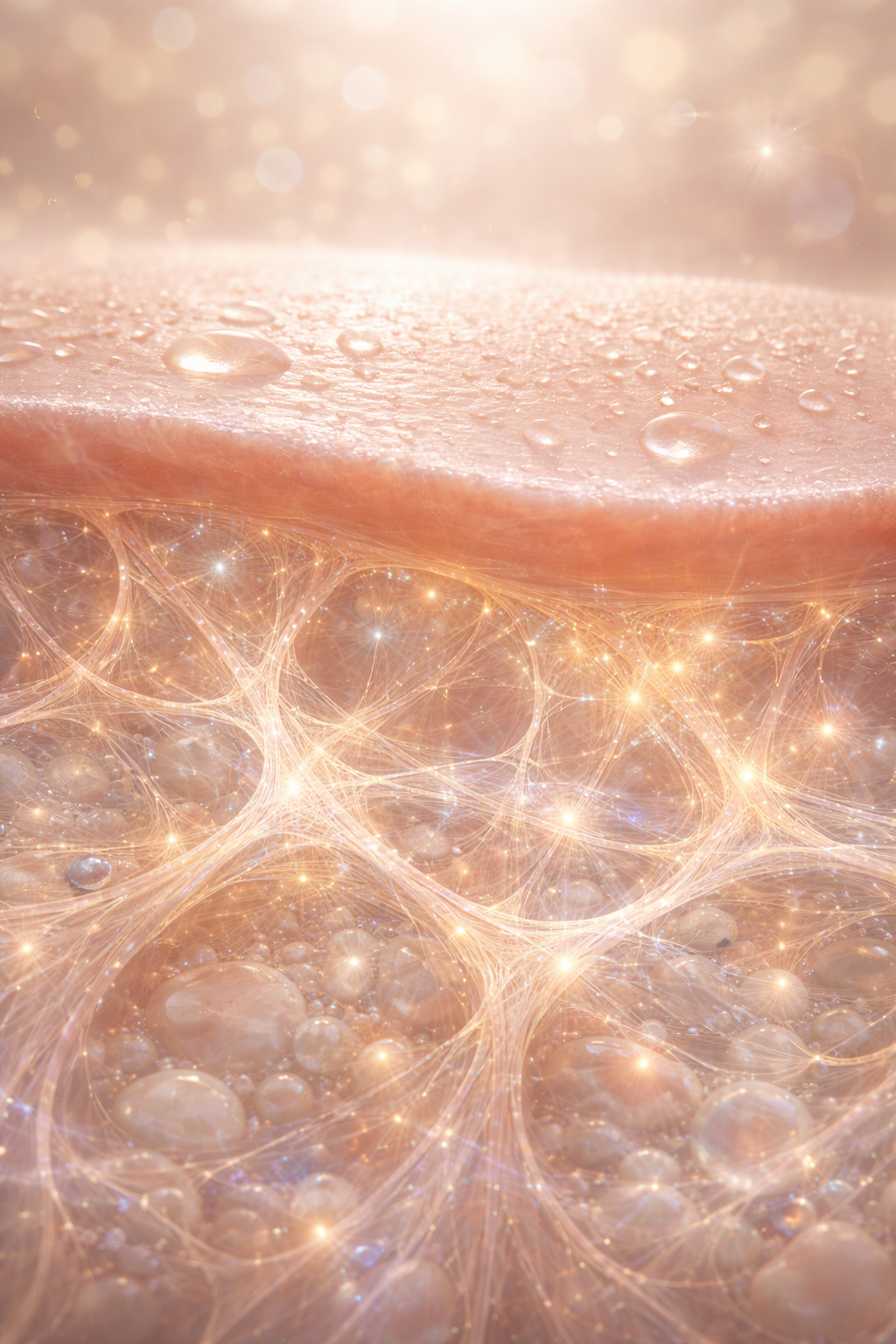
Fascia, Hydration & Skin Quality
We often think of skin hydration as something that comes from creams or drinking more water. But true hydration depends on the health of the tissue beneath the skin.
Fascia holds and distributes water throughout the tissue. When fascia is healthy:
Skin appears plump and luminous
Fine lines soften
Texture looks smoother and more elastic
When fascia loses mobility or vitality, it struggles to retain moisture. This can show up as dryness, creasing, or a “tired” appearance — even when skincare routines are consistent.
Fascia as the Body’s Communication System
Fascia isn’t just structural — it’s communicative.
Collagen fibers within fascia respond to gentle pressure, movement, and stimulation by sending subtle electrical signals through the tissue. These signals help guide:
Cellular repair
Circulation
Inflammation response
Tissue regeneration
As we age, or when the face is under chronic tension or stress, this communication can become less efficient. The result isn’t just wrinkles — it’s a loss of fluidity and responsiveness in the tissue.
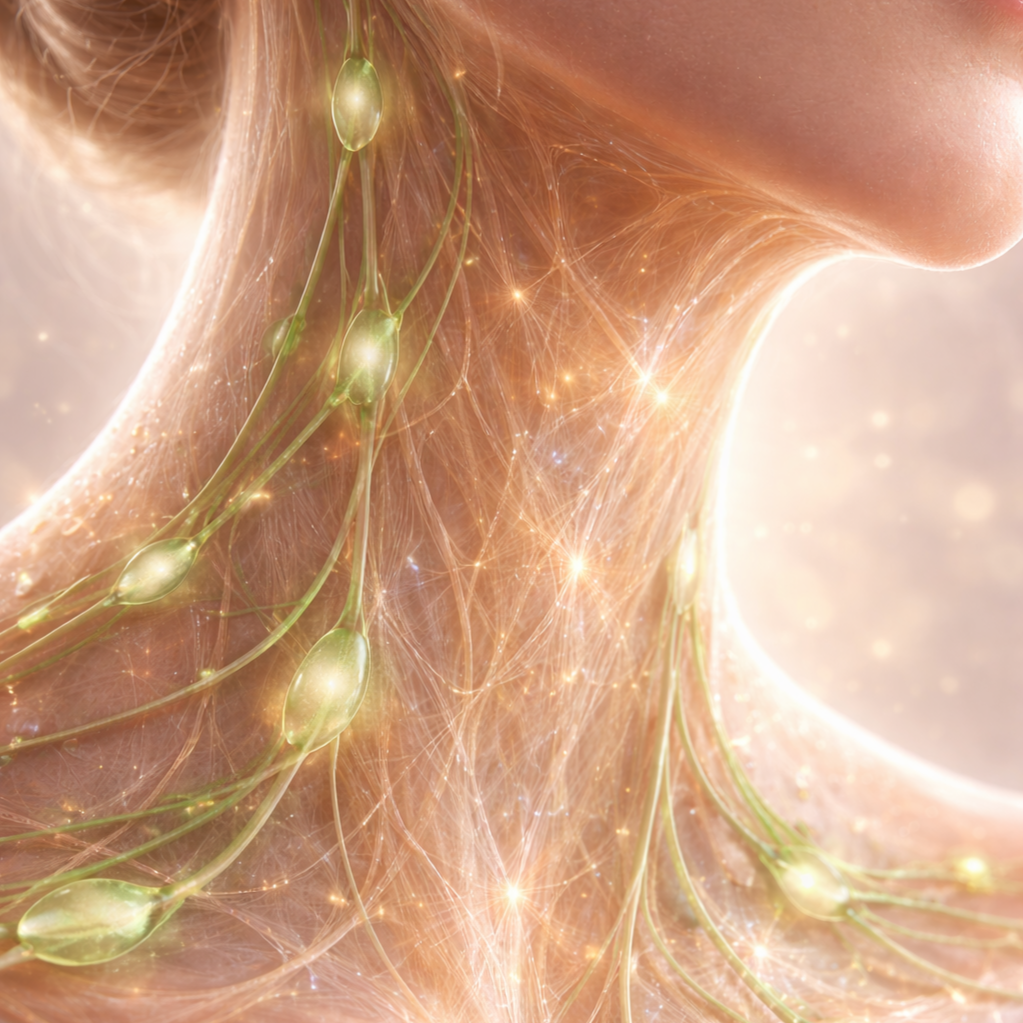
The Lymphatic Connection
The lymphatic system plays a major role in facial appearance. It helps move excess fluid, waste, and inflammation out of the tissue.
Lymph vessels travel through and alongside fascial layers. When fascia is tight or congested, lymph flow can slow. This often shows up as:
Puffiness
Facial heaviness
Inflammation
Dull or congested skin
Supporting fascia helps support lymphatic movement — which is why gentle facial work and acupuncture often leave the face looking clearer, lighter, and more defined.

How Acupuncture Supports Fascia & Graceful Aging
Acupuncture works with the body in a way that is fundamentally different from procedures designed to override or freeze expression.
When fine acupuncture needles interact with the fascial layers of the face, they create gentle mechanical and electrical stimulation. This helps:
Improve circulation
Support tissue hydration
Encourage collagen organization
Restore communication within the tissue
Rather than forcing change, acupuncture invites the fascia to reorganize itself. Over time, this supports skin that looks refreshed, lifted, and naturally expressive.
Clients often describe results that feel cumulative and harmonious — because the work is happening beneath the surface.

Rethinking Aging
Aging is not a failure of the skin. It’s a reflection of how well our tissues are supported over time.
When fascia stays hydrated, mobile, and well-communicated, the face tends to age with softness and vitality. This is why holistic facial acupuncture focuses not only on appearance, but on circulation, lymphatic flow, and tissue health as a whole.
At Ritual House, we view beauty as something that emerges from balance — not correction.
Supporting fascia is one of the most elegant ways to support graceful aging from the inside out.
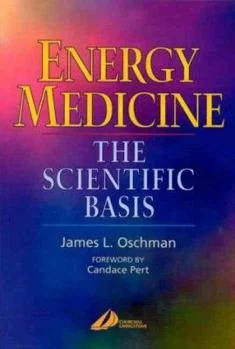
A Thoughtful Reading 📖
For those drawn to the deeper science behind holistic beauty, Energy Medicine by James L. Oschman, PhD is a quietly influential read.
The book explores the connective tissue system as a communication network—one that responds to touch, movement, and acupuncture through subtle electrical and fluid dynamics. Rather than approaching aging as something to correct, it frames vitality as the result of coherence, circulation, and intelligent support.
It’s a book that mirrors our philosophy at Ritual House: beauty emerges not from force, but from listening to the body’s innate language.
If you’re curious how facial acupuncture supports fascia, circulation, and graceful aging, you’re invited to explore our facial rejuvenation offerings.